

When it comes to gardening, the winter season is sometimes considered a low priority because this is not the most ideal time for plants to grow. However, experienced gardeners know that no season is maintenance-free and that there are plenty of things to do to get ready for cold and potentially snowy months.
Here are some tips for preparing your organic garden for winter so that you can enjoy another great year of healthy plants.
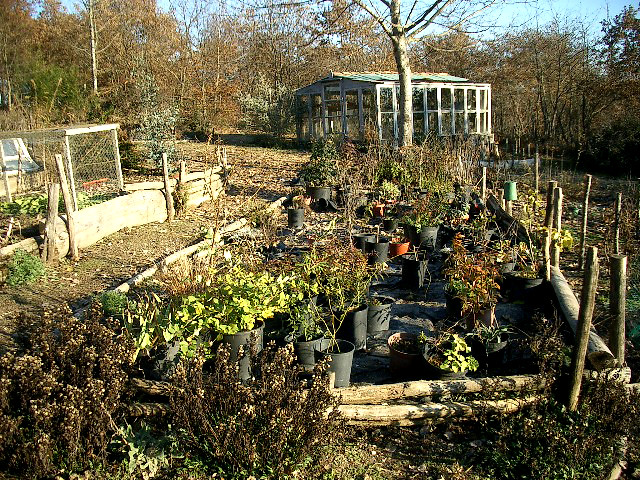
Remove Dying Plants
One of the first things to do once the temperatures start falling is to clean up plant debris that is dead and dying. If left unattended, old plants can attract diseases and pests. As an alternative to removal, you can bury old plants that are disease-free to add more organic matter to your soil.
Practice Organic Weed Control
Your garden might not be growing a lot right now, but weeds could very well be growing and looking to take over your garden beds. This time of the year is great for getting rid of pesky weeds before they spread and disrupt your future crop for next year. Try making your own DIY natural weed control spray with extra-strength vinegar, perhaps mixed with dish soap, to spray onto weeds when they appear. Or for small gardens, simply pull weeds by hand to avoid any residue left behind that could affect the soil.
Test Your Soil
In the fall, you can also check your soil to ensure its quality and composition. It might be necessary to add some nutrients to your soil or to till it to help with drainage. Soil testing will help you know how much organic matter your garden has, as well as the soil pH and levels of nutrients it has. Some gardeners find it useful to add lime to their garden soil to neutralize it every two or three years.

Plant a Cover Crop
While some gardeners don’t think to plant anything new at this time of the year, you might want to consider planting a cover crop to prevent soil erosion and boost the organic matter and nutrients in your garden. It’s a good idea to plant a cover crop, such as rye or clover, about a month before the first frost. Hardy legumes also make great cover crops because they contribute nitrogen to soil and help prep it for spring.
Add More Mulch
Mulching is beneficial at all times of the year to prevent erosion, water loss, and weeds. Add a thick layer of mulch to vegetable gardens to protect fall and winter harvest crops from frosts. Mulch is a great tool for helping to regulate the temperature of the soil and the amount of moisture plants receive. Fall leaves gathered from your yard are great for compost bins that are used for mulch. Wood chips are also effective for winter mulch.