

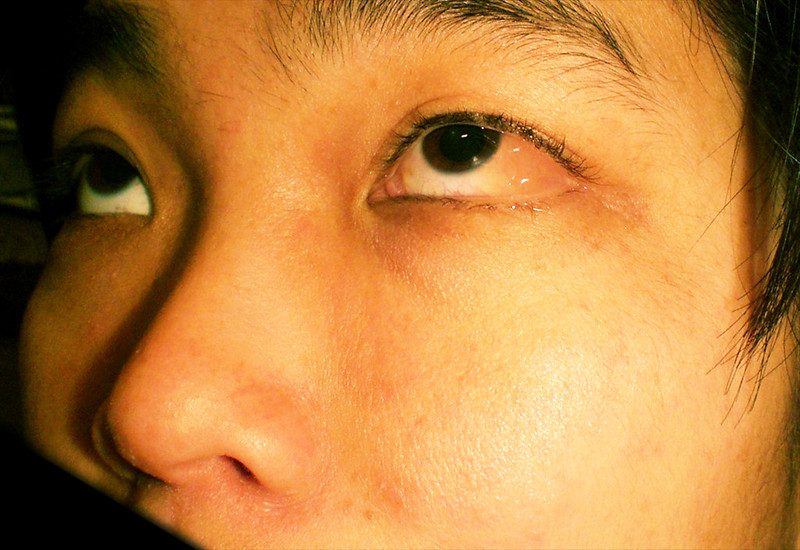
When the membrane that lines the eyeball and eyelid becomes inflamed, conjunctivitis, or pink eye, occurs. This common condition makes the eyes’ whites appear pink, irritated, and swollen. Although it is most common among children, people can suffer from conjunctivitis at any age.
Here’s an overview of conjunctivitis and how to treat it at home with natural remedies.

What Causes Pink Eye?
Most of the time, conjunctivitis is caused by a virus, particularly the adenovirus. Herpes simplex virus and varicella-zoster virus can also cause it. You can get pink eye due to a bacterial infection, such as when you have a respiratory infection or aren’t properly cleaning your contact lenses. Allergens, such as pollen, can lead to pink eye, as well as chemical irritations or a foreign object in the eye.
Regardless of what causes your conjunctivitis, this condition is highly contagious. It can be spread through direct or indirect contact with someone who has an infected eye. Also, one or both eyes can be affected by pink eye simultaneously.
Pink Eye Symptoms
Redness is the most common symptom of pink eye, as well as itchy eyes and a gritty feeling in the eyes. You may notice more tearing in your affected eye or both eyes, as well as a discharge that becomes crusty overnight and makes the eyes difficult to open in the morning. Some people with conjunctivitis also have eyes that are sensitive to light when the symptoms are present.
Natural Treatments for Pink Eye
The treatment for pink eye is centered on relieving the symptoms, and the condition should go away within a week or so on its own. If you usually wear contact lenses or eye makeup, stop wearing them until your pink eye clears up. You can use lubricating eye drops to relieve dryness and place warm or cool compresses over your eyes to ease pain and pressure. Clean the area around your eyes with a wet washcloth daily, and wash your hands after touching your eyes to prevent the spread of germs and further irritation.
Avoid sharing bedding or towels with someone with pink eye, and consult a medical professional if your symptoms aren’t going away after 10 days. At that point, your doctor may run tests to determine if an allergy is causing your pink eye and if it requires allergy or anti-inflammatory medications. Pink eye should not affect your vision, but if you notice vision changes, have a fever, or increased pain, it may be time to call for medical help.
Read more about taking good care of your eyes: