

Very spicy foods are often very polarizing—either you love them or hate them. Spicy foods contain natural chemicals that trigger responses in the body, some of which are beneficial and others of which can cause severe discomfort.
Let’s explore which foods are the spiciest, the pros and cons of eating spicy foods, and how to help your body overcome a bad reaction after a spicy meal.
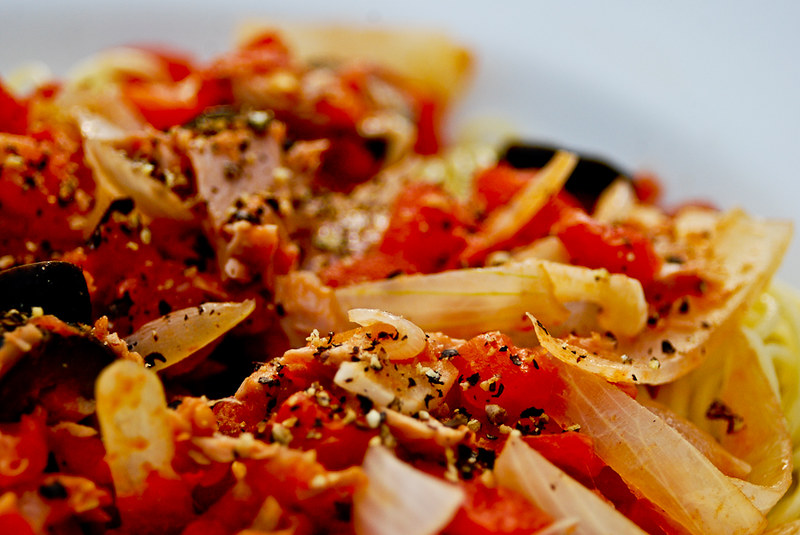
The World’s Spiciest Foods
Some types of cuisine from different parts of the world are notoriously spicy and really fire up the tastebuds. Although you can make any food spicier by adding hot peppers, many of the very hottest dishes come from Indian and Thai cuisine. Capsaicin is among the spiciest molecules in foods and is found in many peppers, including cayenne and habanero.
Examples include Indian phaal curry, which is made with 10 types of peppers, including the extra-hot bhut jolokia. There’s also a Thai soup called Tom Yum, made with very spicy chili, and Sichuan hot pot, a Chinese dish with Sichuan peppers. The Nigerian comfort food of egusi soup, Korean kimchi jiigae, Carolina Reaper peppers, and American buffalo wings also top the list of spicy foods.
What Spicy Foods Do to the Body
When you eat spicy foods, the first body parts affected are the tongue and lips. Your mucous membranes cause your nose to run, and blood travels through your blood vessels to raise your body temperature. When the food hits your lungs, your diaphragm may be triggered, causing you to hiccup and expel the spice from your system.
For many people, spicy foods cause gastric reflux or heartburn. They may also aggravate existing digestive issues, such as irritable bowel disease or Chron’s disease. General indigestion symptoms caused by spicy food include stomach ache, bloating, diarrhea, and constipation. Your eyes may tear up, you may sweat, your nose may run, and your lips may tingle after eating excess spice.

Benefits of Spice
But if you can handle a little spice, don’t shy away from it! Eating spice has many health benefits, and some research studies have shown that people who regularly eat spicy foods may live longer and are less prone to diseases. The capsaicin in spicy food can offer anti-inflammatory and pain relief benefits while maintaining a healthy metabolism and helping you keep your weight in check. Many people who eat spicy foods feel full sooner and are less prone to overeating or feeling unsatiated after meals. There is also a possible link between spicy food and good blood pressure.
Overcoming Reactions to Spice
If you have trouble eating spice or accidentally eat more than expected, reach for a glass of milk because milk contains protein that clings to capasin and relieves you. Acidic drinks, such as orange or tomato juice, may also help. Starchy foods with carbs, such as rice or a tortilla, can relieve your mouth from the burning sensation.
But steer clear of water or alcohol to dull the pain because these beverages are likely to make the burning feel worse. Over time, you may be able to build up your spice tolerance by eating something spicy each week, starting with mildly spicy foods and gradually increasing the spice level. Also, try breathing through your mouth while eating to allow cool air in and relieve capsaicin receptors.
Related reading: