

Have you heard of a health trend called oil pulling? In the past, we’ve shared information about essential oils, healthy cooking oils, and everyday uses for olive oil. But oil pulling does not involve using oil in your hair, air, or food. Instead, it’s a natural approach to dental health with ties to an ancient remedy in India.
Here are the basics about oil pulling so that you can decide whether to try the technique for yourself.
History of Oil Pulling
Oil pulling is a form of Ayurvedic medicine and therapy that dates back to India over 3,000 years ago. It is a natural home remedy that targets microorganisms in the mouth, plus plaque and gingivitis. More recently, people have reinvigorated this ancient folk remedy to whiten their teeth, freshen their breath, and promote general oral health. Some people prefer it to conventional forms of dental health control to limit their exposure to chemicals and potential toxins.
How to Try Oil Pulling
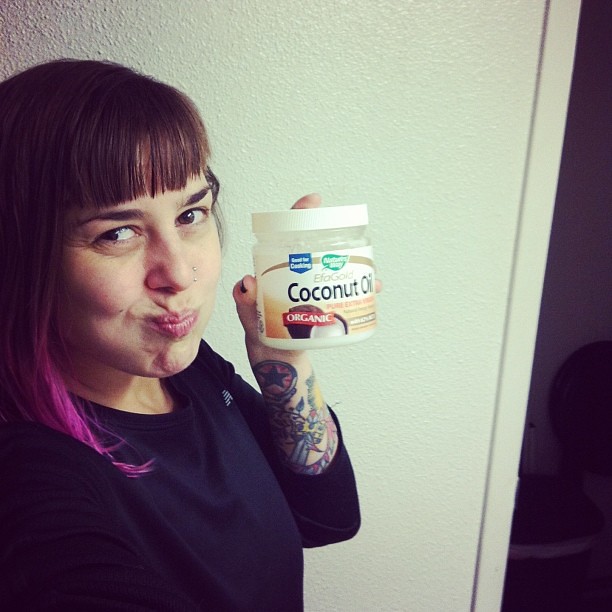
The process of oil pulling involves swishing coconut oil around in the mouth like you would mouthwash, but for a considerably longer amount of time. The general recommendation is to swish one tablespoon of olive oil in the mouth for 15 to 20 minutes before spitting it out. Coconut oil is the preferred oil to use for this purpose because it has anti-inflammatory and bacteria-fighting properties. It is an edible oil that is not harmful if accidentally swallowed and presents no severe side effects.
When the time is up, spit the oil into the garbage so it does not clog the sink. Afterward, brush your teeth as you usually would.

Pros and Cons of Oil Pulling
Research studies have shown that swishing coconut oil in the mouth can help control bacteria and support good oral hygiene. It can also be a natural treatment for bad breath, cavity prevention, and the formation of plaque and plaque-induced gingivitis. Very little scientific evidence exists about oil pulling whitening teeth, but it is not harmful if you can handle swishing the oil around for 15 to 20 minutes.
Keeping olive oil inside the mouth for that long is challenging, so you might try starting with five or 10 minutes first and then gradually working your way up. When you first try oil pulling, you might have a sore jaw or headache due to the prolonged swishing movement. However, do not neglect your regular brushing and flossing routine, as oil pulling is no substitute for the tried-and-true practices of good dental hygiene.
According to a study published in the International Journal of Health Sciences:
“For modern-day practices, oil pulling can be suggested for adjunct use, tooth brushing, and flossing to maintain standard oral health care. In developing countries and rural communities, access to oral care is minimal, and the use of toothbrushes, toothpaste, and mouthwashes are still not accessible in all cases, therefore oil pulling can serve as an affordable option and improve oral health outcomes.”