

When your body is feeling unwell, you have many options for the type of health professional you consult. Beyond the standard primary care physicians, other doctors take a whole-person approach to care that might appeal to you if you want to live a naturally healthy lifestyle.
For example, Doctors of Osteopathic Medicine (DOMs) consider the connections between a patient’s body, mind, and spirit to deliver care and promote self-healing. Osteopathic medicine is one of the fastest-growing healthcare industries, so let’s look at what this philosophy of medicine entails and how it may help you.
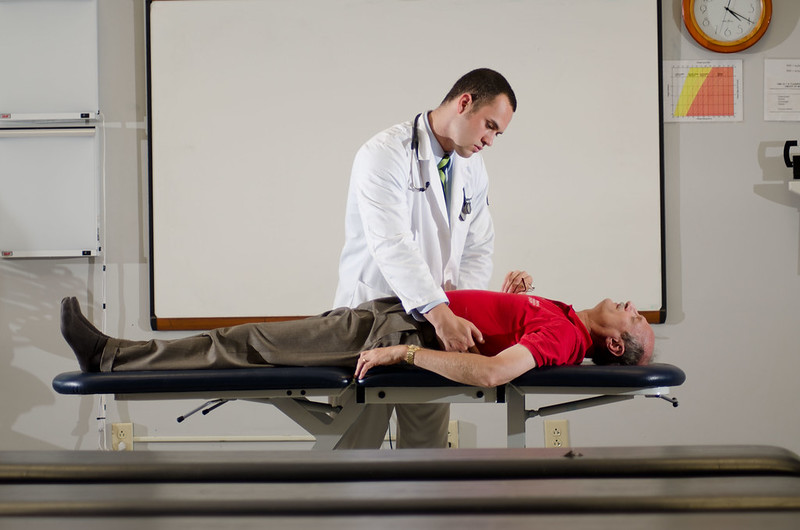
Defining Osteopathic Medicine
According to the American Association of Colleges of Osteopathic Medicine, four tenets of care are part of a whole-person approach:
-
The body is a unit; the person is a unit of body, mind, and spirit.
-
The body is capable of self-regulation, self-healing and health maintenance.
-
Structure and function are reciprocally interrelated.
-
Rational treatment is based on understanding the basic principles of body unity, self-regulation and the interrelationship of structure and function.
The goals of osteopathic medicine include focusing on preventative care and helping patients develop healthy lifestyles beyond just treating symptoms and relieving pain. Doctor of Osteopathic Medicine are fully trained MDs licensed to do surgery and prescribe medicine. They are trained to be doctors first but then specialize in family medicine, obstetrics and gynecology, pediatrics, or another field.
Understanding Osteopathic Manipulative Medicine
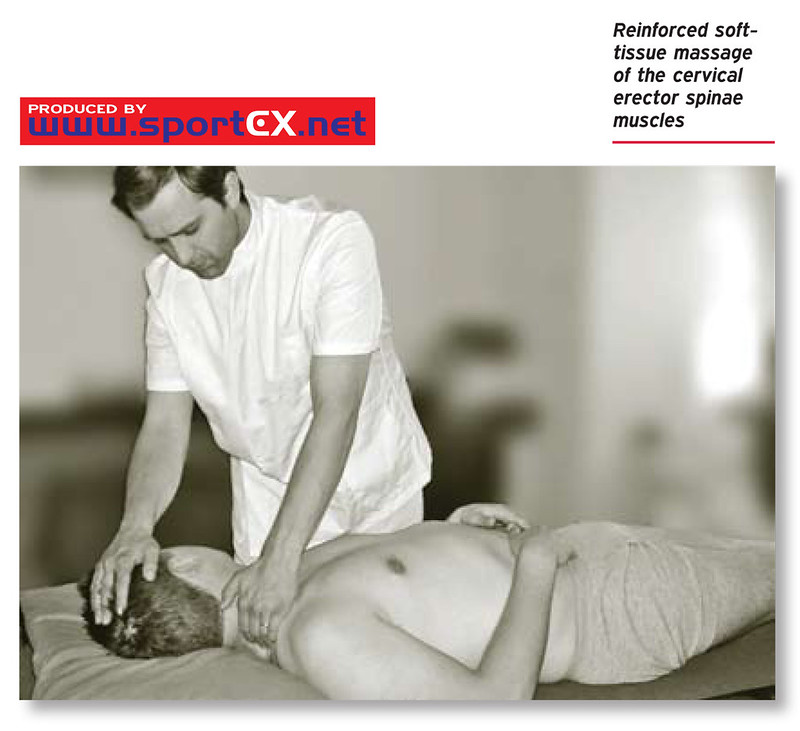
A significant part of osteopathic medicine involves using the hands to manipulate a patient’s musculoskeletal system to affect the bones, muscles, and nerves. Doctors are trained in specialized techniques using therapeutic, manual pressure. This pressure can eliminate barriers to movement and promote healing while promoting good circulation so the body can heal itself.
Osteopathic manipulative medicine is commonly used to treat a variety of health issues, including neck pain, back pain, menstrual pain, headaches, repetitive stress injuries, and sports injuries. Some see osteopathic doctors to treat asthma, earaches, and sinus problems.
What to Expect During an Osteopathic Medicine Appointment
When you visit an osteopathic medicine physician for the first time, it may seem similar to seeing any other type of doctor. The doctor will likely check your blood pressure, weight, pulse, and temperature and ask about your lifestyle habits and symptoms. Then, the doctor may administer routine medical and screening tests and advise how to live healthier. The difference is that osteopathic doctors use their hands to relieve tightness and restriction that could be causing nerve, joint, muscle, and range of motion issues. The practice may include stretching the soft tissues, pushing and pulling specific muscles, myofascial release to target connective tissues, and osteopathic cranial manipulative medicine on the skull to promote healing.
Is an osteopathic medicine doctor right for you? You can learn more about other medical professionals and specialties in these Seagate blogs: