

Growing a garden is one of the most pleasant parts of the summer season as you work among the plants and enjoy the bounty of fruits, vegetables, or flowers. Growing organically means leaving out pesticides, synthetic fertilizers, and other chemically produced aids to let nature do what it does best. If you want to minimize your impact on the environment while pursuing your gardening hobby, an organic garden is a great way to go.
Here are some organic gardening maintenance tips to help you be successful with your summer plants.
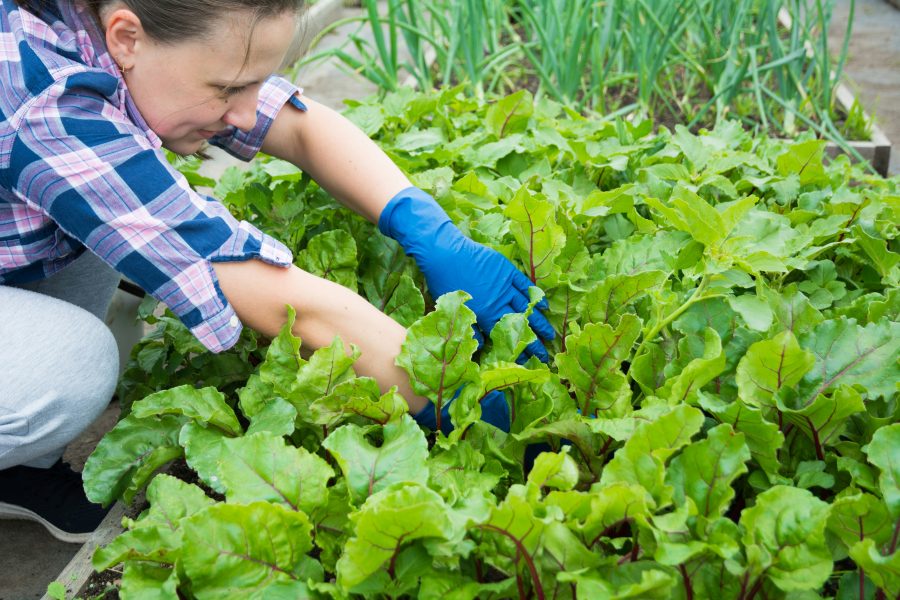
Prune and De-head Plants
In the summer, you’ll want to prune established plants to allow them to produce more. Pruning also allows more light to reach your plants and helps the air circulate better around them.
Meanwhile, de-heading involves removing only dead leaves and blossoms (rather than just any and every part of the plant, like pruning). De-heading is another great way to help your plants produce more throughout the warm months.
Hydrate, but Don’t Overwater
On hot summer days, it is common for gardeners to feel bad for their scorched plants and overwater them. However, overwatering leads to disease outbreaks and fungi growth. It’s a good idea to water your plants about every two to four days in the morning to help the plants’ roots dig deeper into the soil where it’s cooler. Watering frequency may depend on your location’s climate and how much direct sun your plants are getting.
Refresh Your Natural Fertilizer
Our natural fertilizer, derived from whole anchovies and sardines caught along the shores of Baja California, continues to feed plants for four to five months. But it might be time for a refresh if it’s been a while since you planted and initially fertilized your garden.

Pour one teaspoon of Seagate Fish Fertilizer Concentrate into the hole for existing plants and flowers. Larger plants and rose bushes may need up to a heaping tablespoon.
We also have Seaweed and fish Soil Tabs that can be easily applied to existing plants. Just press a tablet into the soil around the roots of each plant. The slow-release tablets will continue to fertilize for two to four months, depending upon local conditions and the water saturation of the soil.

Pull the Weeds
Weeds often thrive in summer heat and can strip nutrients from your precious plants. Aim to pull weeds when small and manageable rather than letting them get out of control.
Mature seeds can produce thousands of seeds that spread to grow new weeds. In the summer, your garden plants need all the moisture and nutrients they can get without the interference of weeds.
Check for Pests
While in your garden this summer, watch out for pests. Depending on where you live, common summer pests include grasshoppers, powdery mildew, Japanese beetles, tomato hornworms, squash bugs, spider mites, aphids, and caterpillars.
Learn how Seagate controls insects in these blogs: