

Most of us can pick up a piece of standard bread and eat it without any thought or consequence. However, people with celiac disease can have severe immune reactions to foods containing wheat, rye, and barley. The Celiac Disease Foundation estimates that this autoimmune disease affects about one in 100 people worldwide but that only about 30 percent of these people are correctly diagnosed with the condition.
To help you make sense of your symptoms or support someone you care about who has a gluten intolerance, here is some information about celiac disease and how to cope with it daily.

What Causes Celiac Disease?
Celiac disease results from an immune reaction to gluten foods, as these foods trigger an immune response to this type of protein in the small intestines. The reaction causes damage to the lining of the small intestines and doesn’t allow it to absorb nutrients. There is a strong genetic component to celiac disease, which tends to run in the family. If a family member has the condition, it may be worth getting tested for it.
Some people’s underlying celiac disease only becomes triggered and symptomatic after severe emotional stress, a viral infection, or after surgery or childbirth. It is also more common among people who have Type 1 diabetes, an autoimmune thyroid disease, Addison’s disease, and Down syndrome.
Symptoms of Celiac Disease
The most common symptoms of celiac disease are bloating, diarrhea, anemia, weight loss, and fatigue. Abdominal pain, nausea, vomiting, and constipation may also occur after a person with celiac disease eats gluten.
When the disease affects children, they may have both gastrointestinal symptoms and growth delays due to the malabsorption in the intestines. In adults, undiagnosed celiac disease may lead to joint pain, spleen dysfunction, headaches, tingling of the feet and hands, itchy skin rashes, mouth ulcers, and osteoporosis.
Living with Celiac Disease
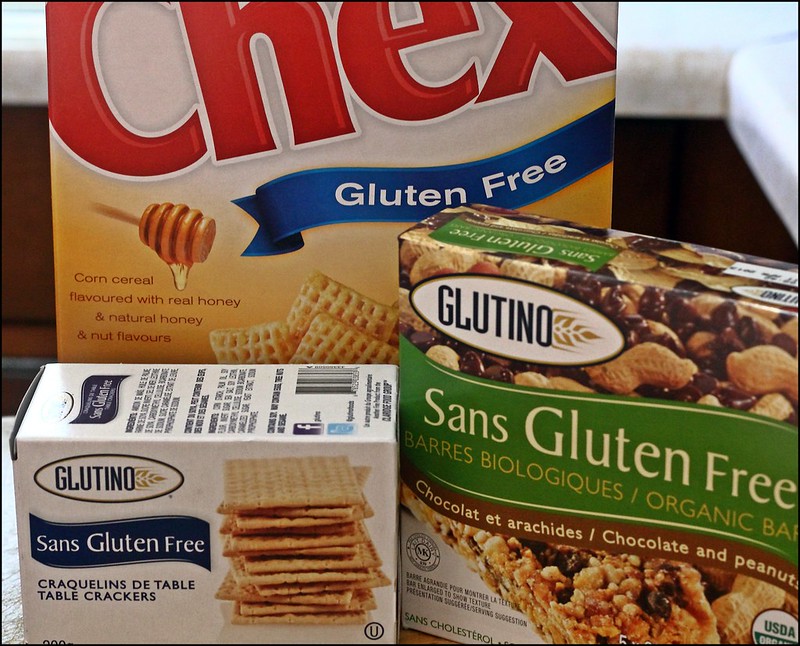
Unfortunately, there is no cure for celiac disease. People with this condition should strictly follow a gluten-free diet to prevent the disease’s symptoms and help their intestines heal from past damage. If you don’t listen to your body and address celiac disease, serious complications can occur, such as infertility, bone weakness, malnutrition, seizures, lactose intolerance, and the development of intestinal lymphoma and small bowel cancer.
After blood tests and perhaps an endoscopy reveal a diagnosis of celiac disease, a doctor or nutritionist can recommend celiac-friendly diet plans. It is important to get professional guidance for severe gluten intolerances because gluten is also contained in various medicines and nonfood items, such as makeup and oral hygiene products.
Your medical professional may recommend specific nutritional supplements to address deficiencies in celiac disease patients. Tests may also be recommended to check for bone density levels and joint inflammation. Although the natural herbs from plants, vegetables, and fruits are gluten-free, people with celiac disease must carefully read labels to ensure no gluten is used to process natural foods. Some of the best herbs and spices to benefit celiac-related symptoms include ginger, basil, mint, black pepper, chamomile, fennel, cilantro, flaxseed, rosemary, and lavender.