

Many of us know a thing or two about planting a garden and perhaps about rainforests. However, a less understood concept is the rain garden, which is becoming increasingly important as extreme weather becomes more frequent and severe.
Here’s a look at rain gardens and why you might consider building one on your property.
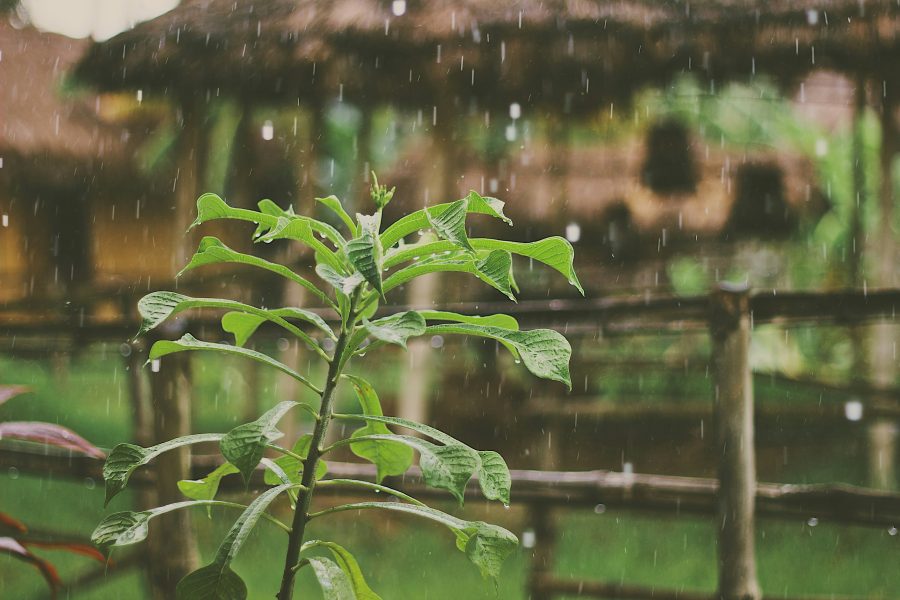
What Are Rain Gardens?
A rain garden is a collection of native plants situated in a slight depression and often along a natural slope. It is placed in a depressed area of land to collect rainwater that flows from a nearby roof, street, or driveway. You can fill a rain garden with flowering perennials and grasses native to your area for a low-maintenance, beautiful display.
After heavy rain, rain gardens give runoff water a place to go so it doesn’t flood your home or other areas of your yard. They allow rainwater to soak into the soil instead of flowing out to the street, which could pose hazards for drivers.
Benefits of Rain Gardens
Rain gardens are beneficial for many reasons. They are simple and affordable to build and offer an environmentally friendly way to divert runoff water and prevent flooding. They are mostly dry and only hold water after a significant rainfall event. Therefore, they are not mosquito breeding grounds and typically drain within a day or two.
They help solve the common problem of rainwater runoff collecting pollutants from roofs and driveways and sending that toxic water through storm drains and into nearby ponds and streams. According to the EPA, rainwater runoff pollution accounts for approximately 70 percent of all water pollution.
Here are some of the many benefits of rain gardens:
- Overcome drought conditions
- Filter rainwater pollutants
- Protect nearby waterways
- Promote the growth of native plants
- Conserve water
- Remove standing water in your yard that attracts insects
- Create a habitat for beneficial insects and birds
- Easy to build and maintain
- Boost your property value
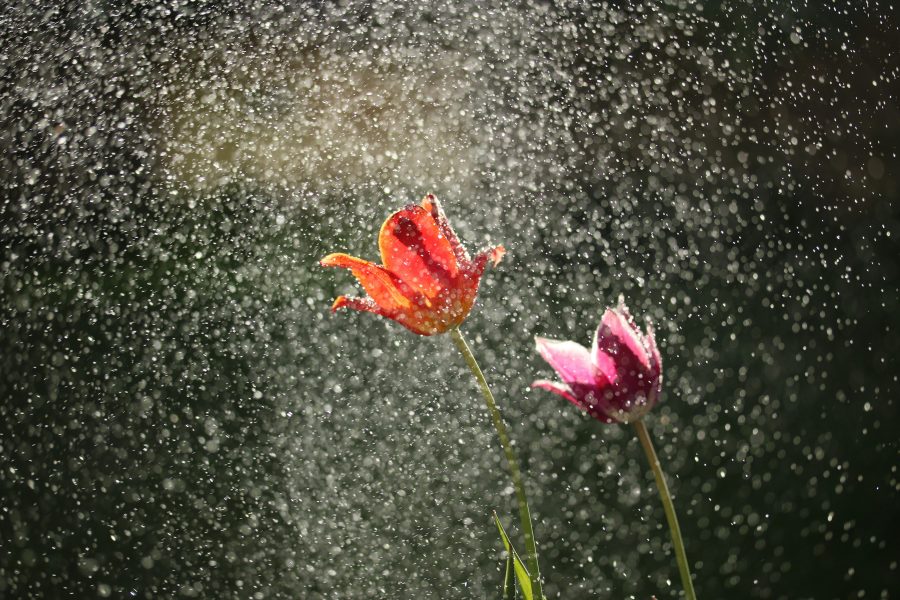
How to Build a Rain Garden
Do some research or ask your local nursery what plants are native to your area and would work well in a rain garden where you live and based on your hardiness zone. Focus your rain garden on wildflowers, perennial flowers, and shrubs rather than trees because trees absorb more water than other plants.
Choose an area about 20 percent of the size of your pavement area or a roof that will drain off into it for your rain garden. For a standard residential home, 100 to 400 square feet is a good size for a rain garden. The layout of your rain garden should be longer than wide and along the land’s natural slope to catch maximum rainfall.
To build the rain garden, you’ll need to dig about six to 12 inches deep and at least 10 feet away from utility lines and buildings. Once dug, you can test your rain garden by spraying water in it with a hose for about 30 minutes and seeing how well the water soaks in.
Maintaining a rain garden is relatively easy. To provide the desired benefits, all herbicides, pesticides, fungicides, and other chemical products should be avoided. Although a native plant rain garden may thrive even without fertilizer, use an all-natural option like Seagate Fish Fertilizer Concentrate to give new plants an extra boost for optimal growth.
