

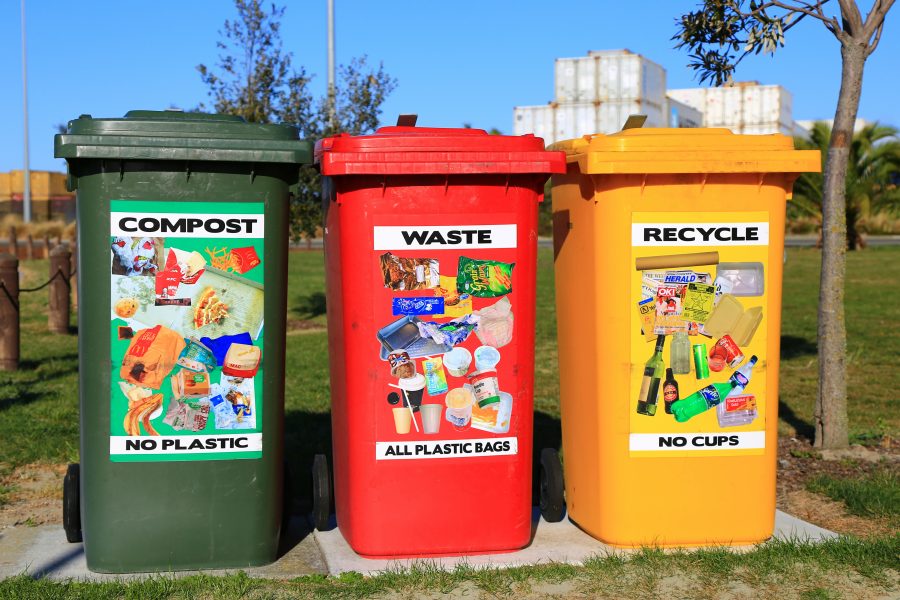
Large cities and small towns across America have trash and recycling pickup systems with separate bins to sort waste. Putting more items in the recycling bin than the trash bin might make you feel better about conserving resources on our planet. But the unfortunate truth is that many recycling loads are never actually recycled once they leave your home.
Here’s a look at current recycling issues and how you can still do your part to reduce and reuse household waste.
The Problem with Recycling
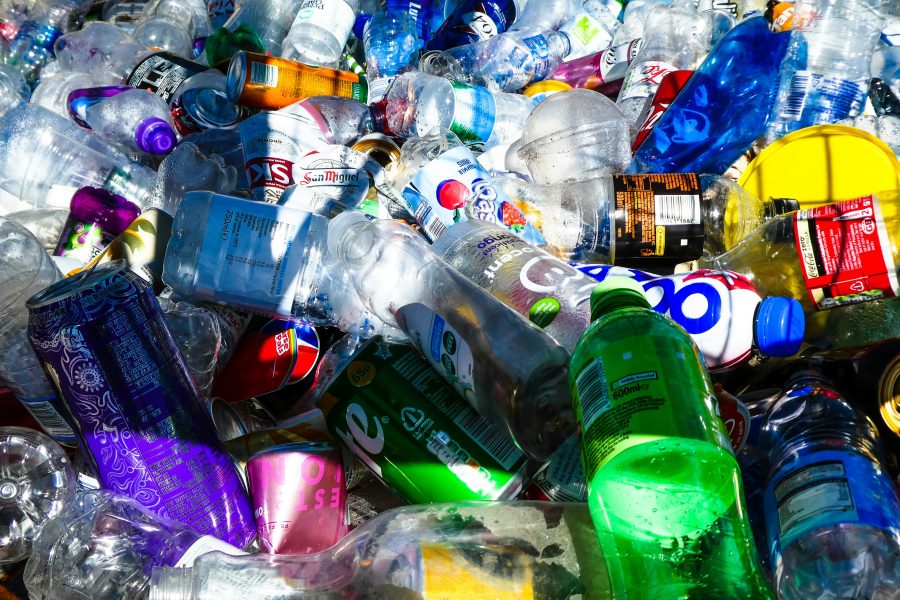
Recycling studies have shown that only five percent of post-consumer plastic is recycled. The remaining plastic typically ends up in landfills or is incinerated, while some plastic is exported out of the U.S.
Meanwhile, plastic production has increased by over 2,000 percent. Only a few companies reuse recycled plastics to make their products, and the plastics industry shows no signs of slowing down with future production. Petrolem-produced plastics are designed to last long and never truly biodegrade. Instead, they are broken up into tiny particles by sunlight and ocean waves over time, known as microplastics. These still contain toxic chemicals and make their way into our food supply, causing harmful physical effects.
Better Approaches to Waste Management
In the past, environmental strategies centered on improving recycling technology and cleaning up the existing plastic waste. Yes, recycling is part of the solution, but it won’t solve the problem our world is facing today.
A better approach involves eliminating unnecessary plastics and choosing plastic alternatives as much as possible. Companies should consider stopping the production of plastic polymers that are nearly impossible to recycle (#3, #6, and #7 plastics) and also toxic to produce.
Aside from plastic, many success stories with recycling glass and aluminum are encouraging for our diligent efforts and the planet.
How to Manage Your Household Recycling
Despite the low recycling levels for many products, especially plastic, it is essential to learn about what can be recycled in your community and what cannot. For example, black takeout containers, takeaway cups, plastic straws, and plastic bags are not typically accepted in curbside recycling programs.
Before trusting in the recycling system, try to reduce your usage of disposable items and reuse them first.
Support companies that phase out unrecyclable packaging in favor of more recyclable materials. When you vote, you can also support new laws to boost recycling rates and invest more in the recycling sector to create jobs and make recycling more effective. Governments can also push for better labeling about what can and cannot be recycled or ban troublesome plastics to curb the problem.
Organizations like EarthDay.org encourage people to sign a Global Plastics Treaty to promote a 60 percent reduction of all fossil fuel-based plastic production by 2040. The EPA provides resources on how to properly dispose of typical recyclables and how to find recycling locations near you.
Learn more about related issues in these Seagate blogs: