Traditional grass lawns have been the landscaping standard in America for generations. However, the bright green grass you’re picturing right now is not native to many places across the country and causes a variety of economic and environmental issues to grow and maintain.
This article explores alternatives to grass lawns and the benefits of growing yards with native plants that save you time and labor to keep up.
The Problem with Grass
Grass lawns drain natural resources, and the EPA estimates that more than half of Americans’ water usage is for watering lawns and gardens. American lawns soak up trillions of gallons of water annually and millions of pounds of toxic pesticides.
Due to rainwater runoff, these pesticides can seep into nearby rivers, lakes, and oceans. There, they can harm marine life, and humans who eat seafood fished from the waters.
Grass lawns negatively impact natural biodiversity because they are monocultures that take up space that could be used for more diverse plants, which could provide animal and insect habitats. Biodiversity is essential to the pollination efforts of bees and butterflies, which support our food system and agriculture.
Moreover, grass lawns take a lot of time and effort to mow and substantial money to install and maintain. USA Today estimates the average lawn care cost is between $500 and $800 annually.
Natural Lawn Alternatives
So, if not grass, then what?
One grass alternative that is gaining popularity is the clover lawn. It is affordable to plant, easy to grow, and stays green year-round. Clover is drought-resistant and has a deep root system that helps prevent erosion.
You can also explore the alternative of a moss lawn, which requires minimal maintenance and is excellent for shady yard parts. Moss doesn’t need mowing, resists weeds, and doesn’t require much water.
Benefits of Growing Native Plants
Native plants offer many benefits to homeowners. Over many years, native plants have evolved to the specific conditions where they exist and know how to thrive with the local soil, moisture levels, wildlife, and weather.
Native plants, such as traditional grass, require less water than non-native species. You can eliminate harmful chemical fertilizers and pesticides with natural plants and choose natural plant supports that don’t add toxins or pollution to the environment.
Another benefit is that you won’t have to water native plants as much, reducing your water usage and utility bill costs. Meanwhile, you support the local ecosystem and attract beneficial insects and birds to your property, wasting less time on burdensome yardwork chores.
Check out the National Wildlife Federation’s Native Plants Finder to learn about plants meant to grow where you live.
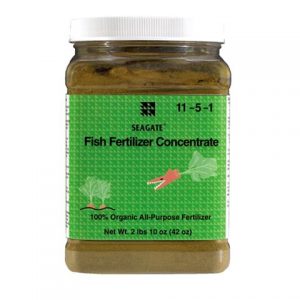
Remember, that whatever you choose to do for a natural lawn or garden, Seagate produces a product that will help everything grow – Fish Fertilizer Concentrate.