

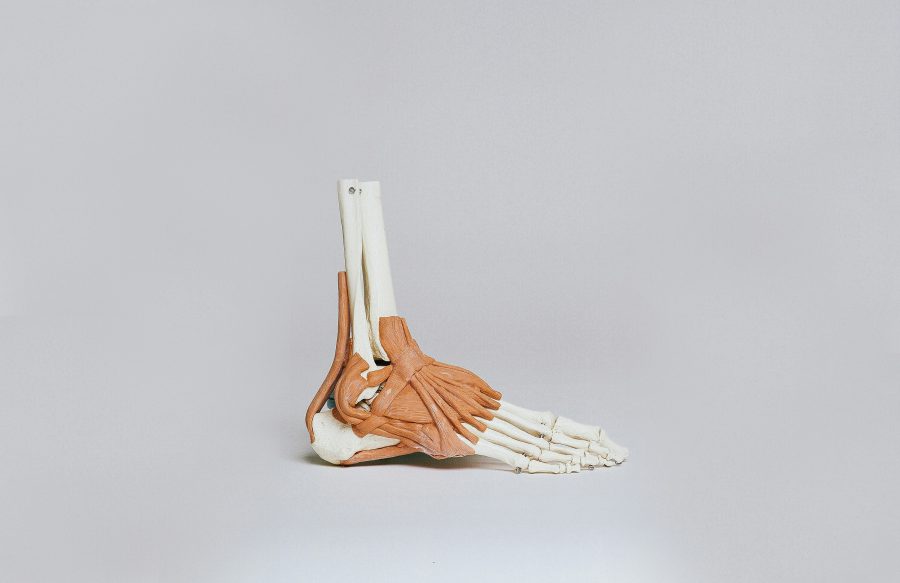
Ligaments are the tough elastic tissue bands surrounding your body’s joints. They connect bones to other bones to support the joints around your ankles, knees, elbows, shoulders, and other body parts.
Meanwhile, tendons are collagenous fibrous tissues that attach muscles to bone. They enable movement without friction.
Both types of connective tissues can become easily injured due to overuse, sports, and trauma. Fortunately, there are many natural ways to keep your ligaments and tendons strong and functioning for easy and comfortable movement.
Ligament Injuries
Ligaments can become sprained when they are torn or overstretched. Sprains commonly occur during impacts or sudden twists, especially in the ankle. Anterior cruciate ligament (ACL) tears are common in knees, especially among basketball and football players. ACL tears involve a tera in a major ligament in the knee.
Another ligament injury is a medial collateral ligament (MCL) tear. This knee injury results from a direct hit to the outside of a person’s knee. Other ligament injuries include plantar fasciitis in the heel, the gamekeeper’s thumb between the thumb and wrist bone, and the ulnar collateral ligament (UCL) injury in the elbow.
Tendon Injuries
One of the most common tendon injuries is tendonitis, which involves tendon inflammation, usually due to overuse. The shoulders and elbows are prone to tendonitis.
Tendon strains occur when a tendon is torn or overstretched, typically due to heavy use and sudden movements. A severe tendon injury is an Achilles tendon rupture involving a tear between the calf muscles and the heel bone.
Other tendon injuries include lateral epicondylitis (commonly known as tennis elbow), golfer’s elbow, and a boutonniere deformity in the hand.
Natural Care for Ligaments and Tendons
Applying ice to reduce swelling is the first treatment for ligament or tendon injuries. To limit movement, you can wrap a bandage around the area, using a split if necessary. It is often recommended to keep the affected part raised above your heart during the day and night.
You should rest your injured part to allow it to heal, and continue applying ice several times per day for about 15 to 20 minutes each time. Elastic compression bandages can provide continued support, but physical therapy may be needed to incorporate targeted stretching, ultrasound therapy, massage, and other techniques.
Some herbs, such as ginger, turmeric, and Ruta graveolens, are associated with tendon and ligament healing. Some medical professionals suggest taking omega-3 supplements to support tendonitis.
You might consider regenerative medicine techniques like platelet-rich plasma therapy or stem-cell injections without unnecessarily resorting to surgery and enduring even longer recovery time. Cryotherapy that involves cold immersion may expedite injury healing, acupuncture, and laser therapy.
Meanwhile, you can support natural healing by focusing your diet on foods and supplements that fight inflammation. Good examples are berries, tomatoes, leafy greens, and olive oil for cooking.