

Many adults struggle with insomnia and other sleep problems due to stress, bad habits, and medications they take. However, children frequently have trouble with sleep during all stages of growth and development.
In this article, we explore sleep issues among children to help you help your little one get the nightly rest they need.

Trouble Falling Asleep
Children often have difficulty falling asleep because they fear the dark or are overstimulated before bedtime. They may fight going to bed and complain they don’t want to sleep even when they are visibly overtired and worn down from the day.
Nighttime Wakeups
Even if your child falls asleep quickly, they may experience night-waking due to nightmares, night terrors, or discomfort. Being hungry or thirsty can also cause a child to wake in the middle of the night, as can being too hot or cold in their room.
Bedwetting
It is common for young children to wet the bed as they are going through potty training. But even older kids can experience bedwetting due to developmental delays, emotional stress, and hormonal imbalances.
Sleepwalking
Having a child who sleepwalks can be disturbing, but this behavior is more common than you might think. Causes of sleepwalking in children include stress, sleep deprivation, and irregular sleep schedules. Children who sleepwalk may do activities while asleep and never remember doing them.
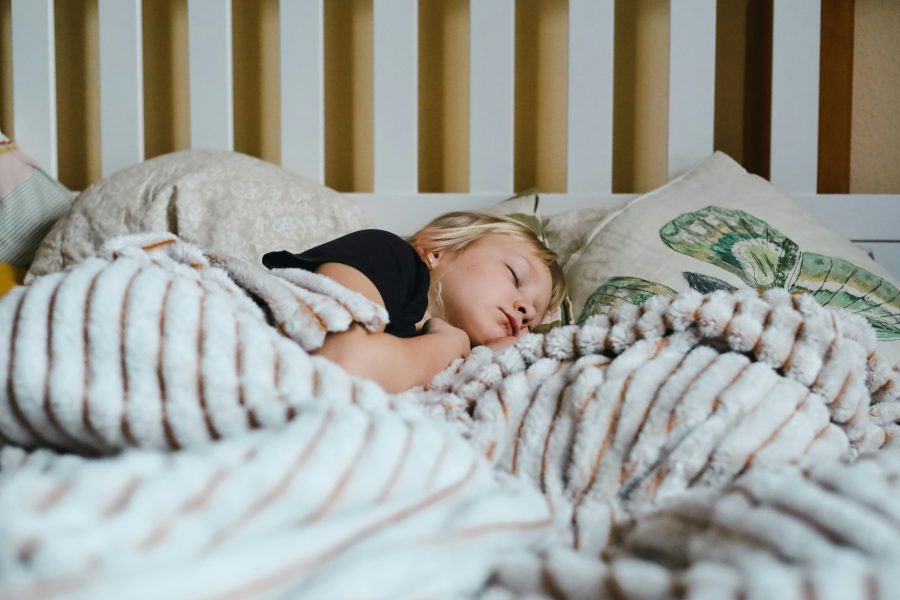
Sleep Regressions
Children often experience sleep regressions during developmental milestone periods that frustrate parents and caregivers. Even kids who used to be good sleepers may go through phases when they have trouble falling asleep or wake up frequently during the night. Illnesses and changes in routine can also lead to sleep regressions.
Sleep Apnea
Although sleep apnea is more closely associated with adults, kids can develop it, too. Sleep apnea could be to blame if your child pauses breathing during sleep, gasps for air while sleeping, or snores loudly. Causes of snoring and sleep apnea in kids include enlarged tonsils, nasal congestion, allergies, and obesity.
Natural Approaches to Childhood Sleep
Whether your child’s sleep troubles are caused by one of these issues or something else, you can take steps to promote a good night’s sleep in your little one. First, it is crucial to establish a consistent bedtime routine that involves time to wind down and relax before lying down in bed. Many parents and caregivers provide a light snack with milk, read books, or listen to calm music with their children before bedtime.
If nighttime fears and anxiety keep your child up at night, discuss those issues during the day and offer comforts, such as extra hugs, a nightlight, a sound machine, a soft blanket, or a favorite stuffed animal.
Avoid screen time and other overstimulating activities before your child’s bedtime, and keep your child’s room cool, dark, and quiet. During the day, engage your child in physical activity to burn off energy and prepare for nightly rest.
If your child’s sleep issues persist after trying these natural approaches, it may be time to consult your pediatrician or a sleep specialist for guidance.
In the meantime, here are some other Seagate articles about sleep to help you and your child:
- How to Overcome Nighttime Wakeups and Get Back to Sleep Naturally
- 6 Types of Food That Disturb Your Sleep
- Healthy Natural Foods to Help You Get a Good Night’s Sleep
- Sleep Support, Anxiety and Insomnia
- Understanding Sleep Apnea and Natural Approaches for Treatment
- Understanding Melatonin and Other Natural Sleep Aids
- Understanding Sleeping Patterns & Bad Sleep Habits to Avoid