

When many of us think of grains, standard options like oats, wheat, and barley come to mind. However, there are many more grains than just this familiar list, and they’re surprisingly healthy and accessible.
Ancient grains have been making a comeback in modern times, in a world filled with fast-food drive-throughs and processed junk food. These grains have sustained populations for thousands of years and remain relevant in the natural health lifestyle today. They’re called “ancient” because they haven’t been genetically modified or hybridized for commercial farming like modern-day wheat and corn.
Let’s look at a few ancient grains worth trying, including their health benefits and how to incorporate them into your diet.
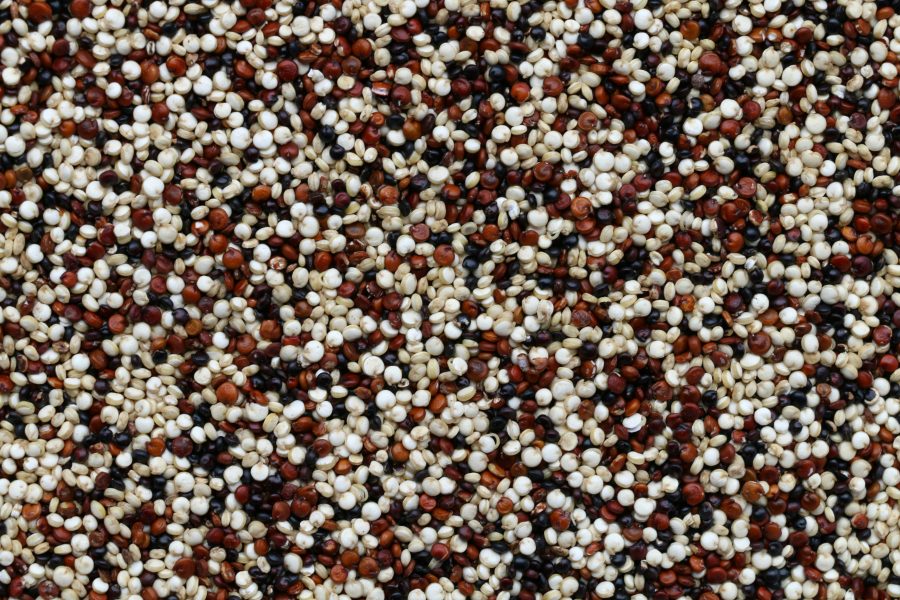
Why Try Ancient Grains
People are becoming increasingly interested in ancient grains as a way to diversify their diets and adopt a more naturally healthy lifestyle, free from genetic modifications and chemical additives.
Ancient grains are popular due to their high nutrient density and richness in protein, fiber, antioxidants, and minerals. Many ancient grains are gluten-free or low-gluten, making them an ideal option for people with dietary restrictions.
Furthermore, ancient grains are often grown sustainably and are eco-friendly staples to the modern diet. Some grains, such as millet and fonio, require fewer resources to grow than other crops and thrive in drought conditions, poor soil conditions, and dry climates. Meanwhile, foodies and chefs are embracing ancient grains as a way to explore new textures and flavors in recipes while paying homage to Indigenous cultures and the foods of our ancestors.
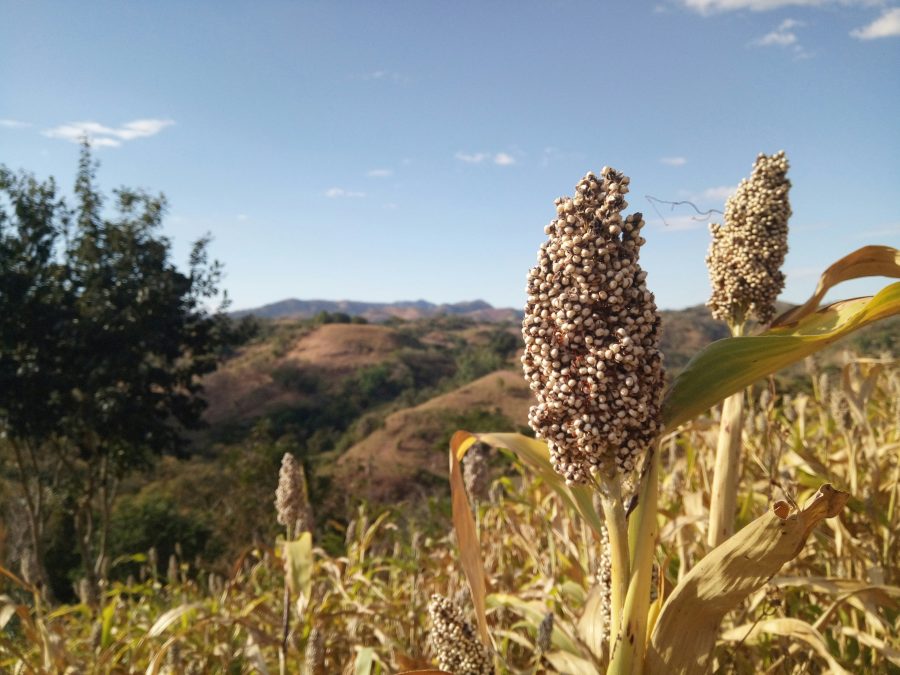
Teff
Teff originates from Ethiopia and is a small grain that’s the main ingredient in injera, an Ethiopian flatbread. It is high in iron and calcium, and it’s naturally gluten-free. You can try teff for an energy boost and a grain that’s easy to digest. Instead of oatmeal, try teff for a high-protein breakfast.
Amaranth
Amaranth was a common grain among the ancient Aztecs and comes from Central and South America. It is a complete protein and has anti-inflammatory properties. It’s an excellent grain for individuals who follow plant-based diets. It’s been linked to lower cholesterol and is high in protein, magnesium, and fiber.
Fonio
Originating from West Africa, fonio is a fast-growing, sustainable cereal. It’s easily digestible and has a nutty taste. Fonio is rich in iron, B vitamins, and amino acids. Try fonio in place of rice in your homemade vegetable bowl dinner.
Millet
Ancient cultures in Asia and Africa commonly relied on millet as a grain source. It’s a naturally gluten-free grain and versatile food. You can use millet in salads, porridge, and baked goods. It supports good heart health and blood sugar control. Millet is also rich in antioxidants, magnesium, and phosphorus.
Spelt
Spelt originates from the Middle East and is commonly used in artisanal pastas and breads. It has a rich flavor, and although it contains gluten, many people find it easier to digest than standard wheat. You’ll also get a good dose of protein and fiber from spelt. You can use spelt flour to make homemade bread and pancakes for an added nutritional boost.
Have you tried any of these ancient grains? What’s your favorite way to eat them?
Learn about other high-nutrition grains in this Seagate article.