

Mental health is a critical part of overall well-being, beyond the roles of nutrition, sleep, and physical activity. How you spend your time has a profound impact on your mental health and how well you can deal with stress and maintain emotional balance day to day.
In this article, you’ll learn about which creative activities and hobbies support natural mental health. Over time, finding enjoyable activities you love can help you build resilience even when times get tough.
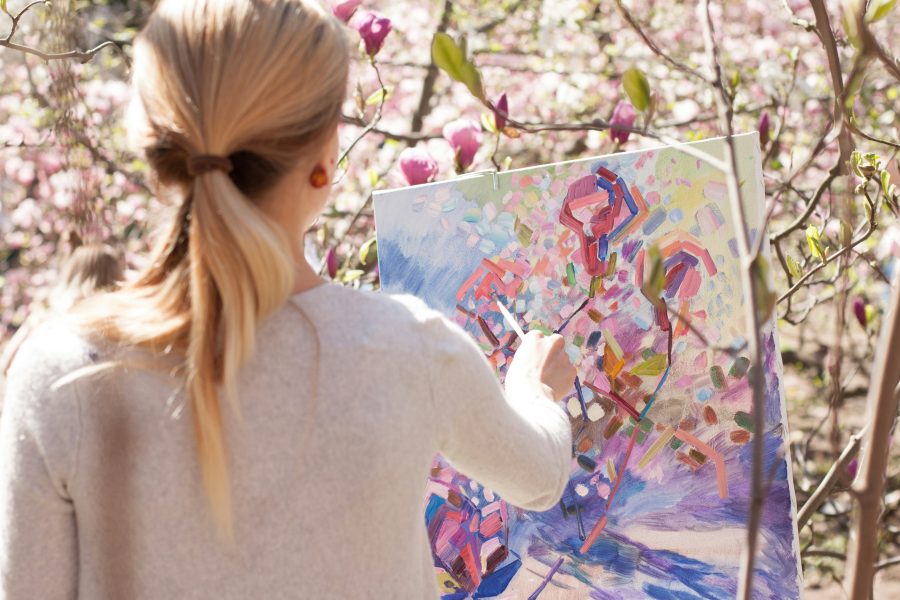
Benefits of Creative Hobbies
Many creative hobbies encourage mindfulness, focus, and concentration because of the attention to detail required. By training the mind to engage in just one thing at a time, you can quiet racing thoughts and begin to live more simply in the present moment.
Creative hobbies are also great for stress relief and providing an outlet to reduce tension and promote a sense of calm. You can build confidence in your abilities by learning to be creative and by reinforcing skills like patience, persistence, and problem-solving. All of these valuable qualities contribute to a person’s emotional resilience over time.
Best Hobbies for Mental Health
There are countless creative hobbies you might dabble in or find yourself drawn to, depending on your personal interests and the supplies and resources available. However, the best options are often ones that feel more enjoyable than frustrating and accessible without being burdensome. Here are some examples.
- Drawing and painting – express yourself visually to reduce stress and promote relaxation, casually and even without formal training
- Writing and journaling – express your emotions in a safe place as you release mental clutter and stimulate your imagination to find a constructive outlet for ideas
- Crafting projects – hobbies with repetitive motions like knitting, crocheting, pottery, and woodworking promote focus and deliver tangible results that feel satisfying
- Photography – encourages you to slow down and notice details in your surroundings or find inspiration in unexpected places
- Playing music – release emotions and improve your mood while engaging different parts of the brain for cognitive stimulation
- Gardening – spend time outdoors while growing healthy foods and herbs, and reducing daily stress
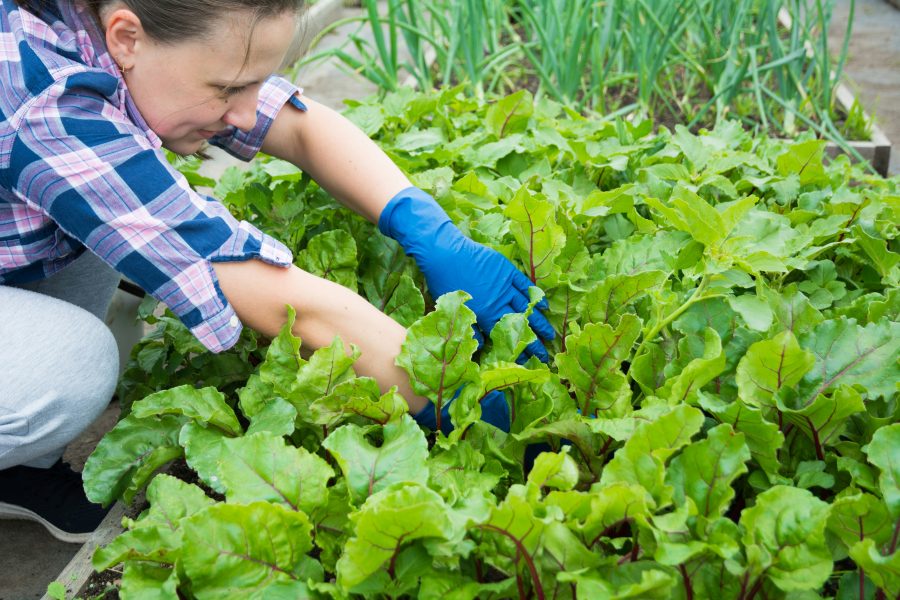
Fitting Hobbies into Daily Routines
Hobbies shouldn’t feel like a major time commitment or something that adds stress as you squeeze them into a tight schedule. To make creative hobbies a part of your routine, set aside 15 to 30 minutes per day to do something creative. Consider joining a creative class in your community to learn a new skill, or invite a friend or family member to join you for a creative session with a social boost.
When combined with other healthy lifestyle habits, having a hobby or two that becomes part of your identity can improve mental health. For example, when you understand where your supplements come from and how homeopathic remedies work, you also become more mindful about what you put in your body and how your body responds to the environment.
More mental health inspiration from Seagate: