

Microplastics are tiny plastic particles that remain in the environment when larger plastic products slowly break down. They exist in everything from food packaging materials to synthetic clothing fibers and beauty products.
A growing body of research has revealed that microplastics are increasingly present in our lives today – in the air we breathe, in our bloodstreams, and in the food we eat. This research has also linked microplastics to a variety of potential health risks, including systemic inflammation, hormone disruption, immune dysfunction, and cardiovascular and respiratory damage.
Although it’s impossible to avoid microplastics entirely since our world today is filled with so many plastic materials, it is possible to minimize your exposure to reduce your health risks. Here are some ways to adjust your routines to make microplastics less of a part of your daily life.
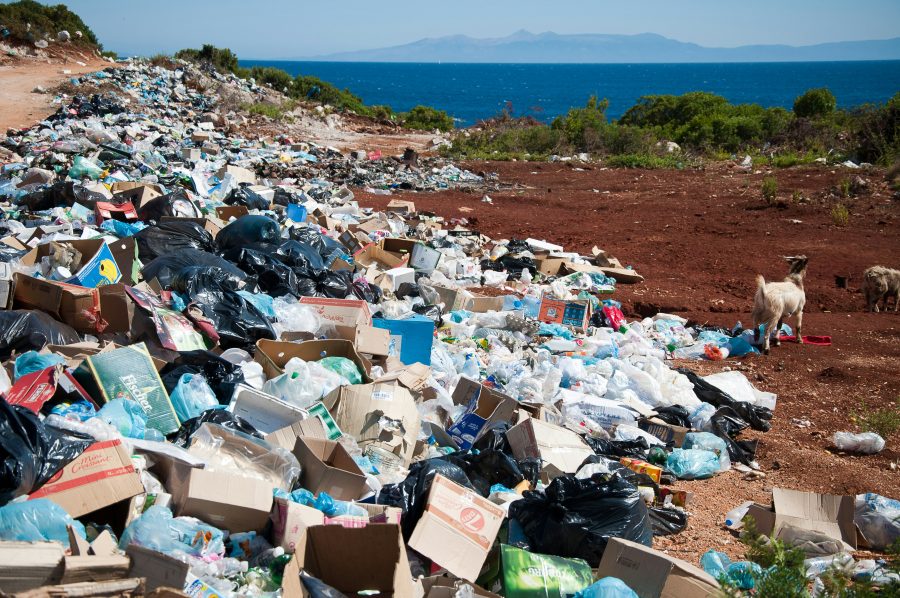
Understand Where Microplastics Originate
The first step in avoiding microplastics is to understand where they come from. Products and environments we interact with every day contain them and contribute to our exposure to them. The health risks are only beginning to be understood, so it’s important to be mindful of them now for the best long-term health outcomes.
Here are some common sources of microplastics:
- Food and beverage packaging
- Household dust
- Synthetic clothing and household textiles
- Tire wear from vehicles
- Paints and household coatings
- Personal care and cosmetic products
- Single-use plastic bags, cups, and other disposable items
- Degradation of plastic trash in landfills and litter
- Industrial manufacturing processes
Choose Minimally Processed Foods
One practical way to avoid microplastics is to focus your diet on fresh, whole foods rather than heavily processed ones. In addition to providing essential nutrients for healthy nutrition, fruits, vegetables, and whole grains require less packaging and have minimally processed ingredients.
Store Food in Non-Plastic Containers
Consider replacing plastic food storage containers in your home with glass, stainless steel, or ceramic ones. By doing so, you’ll reduce your exposure to plastic, support sustainability efforts and save money on more durable containers. Never heat food in plastic containers because heating releases tiny plastic particles into your food.
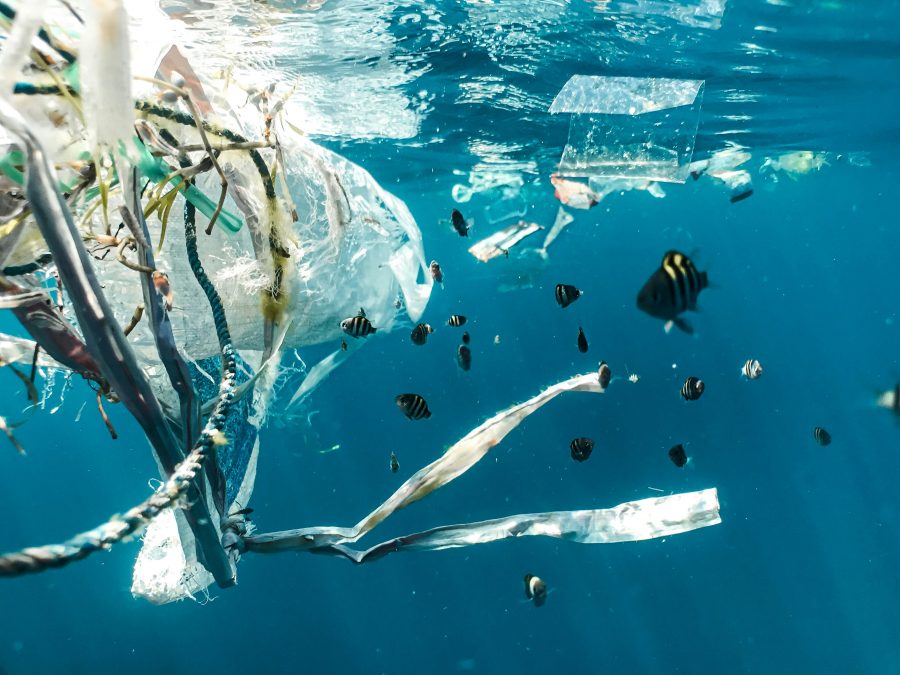 Photo by Naja Bertolt Jensen on Unsplash
Improve Your Indoor Air Quality
You might be surprised to learn that household dust is a common source of microplastics. However, you can improve your indoor air quality by regularly vacuuming with a HEPA-filtered vacuum and dusting to remove dust from your rooms, helping you breathe easier at home.
Gradually, swap out synthetic household textiles with natural fibers like wool, cotton, or linen to replace plastic-based materials at home. It also helps to open your windows when the outdoor air quality is good to encourage proper ventilation and airflow indoors.
Choose Natural Fiber Clothing
What you wear could also be contributing to your microplastics exposure, especially if you frequently wear clothes made from polyester, nylon, and acrylic. These materials shed microplastic fibers during wear and washing.
Instead, choose clothes made from natural fibers like hemp, cotton, and wool. When your clothes wear out and eventually end up in a landfill, you’ll also be contributing fewer plastic particles to the environment.
Rethink Your Personal Care Products
Despite the proven risks, some manufacturers still produce beauty and personal care products made with plastic microbeads and other synthetic materials. Check the ingredient lists on skincare and haircare products you buy to choose simple, natural formulations that reduce your unnecessary exposure to microplastics.