

As you walk through the grocery store’s produce section, fresh fruits and vegetables may seem like the obvious choice for optimal nutrition. But what about frozen vegetables, dried fruits, and freeze-dried whole-food supplements? Is one form actually better and healthier than the others?
The answer isn’t quite as simple as you might think. Each form has its own advantages, so the “best ” choice often depends on the food, how it was processed, and how you plan to eat it.
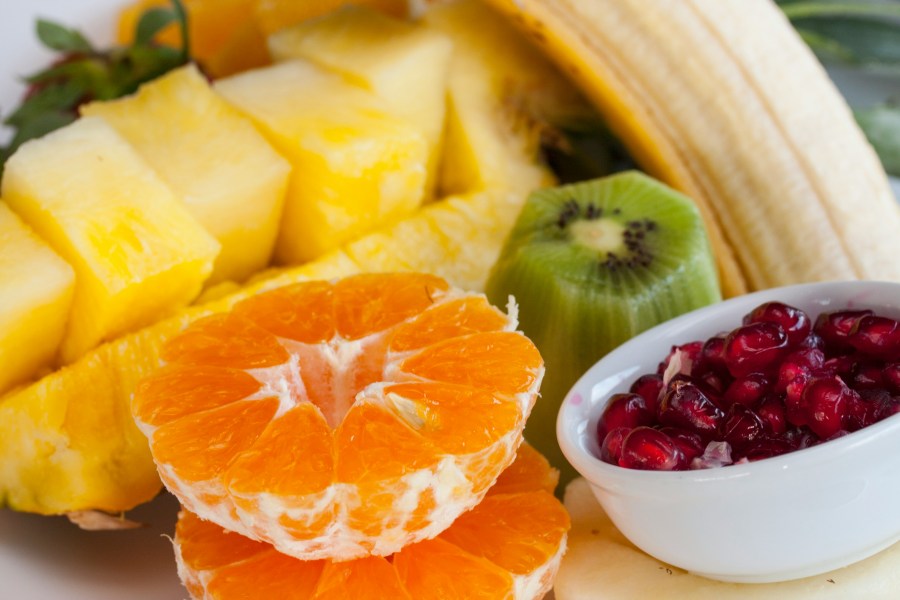
Fresh Produce
Fresh fruits and vegetables provide vitamins, minerals, fiber, antioxidants, and other beneficial compounds. However, just because something looks “fresh” in the store doesn’t mean it was recently picked from a field or tree. In fact, produce often spends days or even weeks in transportation to reach your store.
Therefore, the most nutritious fresh produce is recently picked and in season, not sitting around for an extended period. Farmers markets often offer opportunities to buy local foods that haven’t needed to be shipped long distances, support your local community and let you eat as fresh as possible.
Related: Healthy & Budget-Friendly Tips for Shopping at Your Local Farmers Market
Frozen Produce
However, frozen produce can also be surprisingly nutritious, especially if farmers harvest fruits and vegetables when ripe and quickly process and freeze them. This process helps preserve nutrients while making healthy foods available year-round.
Especially convenient options include frozen berries, peas, broccoli, and spinach. You’re also less likely to waste food when you buy frozen options because you can use what you need right away and keep the rest frozen. Just make sure that the frozen food’s ingredient list doesn’t include unnecessarily added sugar, sauces, or sodium.

Dried and Freeze-Dried Foods
Removing water from fruits and vegetables makes them lighter, shelf-stable, and convenient to store. Dried fruits can be a nutritious snack, but their concentrated sugars and extra calories may make them easier to overeat than fresh versions.
Freeze-drying is a preservation method we use at Seagate that removes moisture at very low temperatures. Our process preserves nutrients in whole foods like pomegranates, artichokes, and carrots without needing refrigeration afterward.
Freeze-drying is especially beneficial when fresh produce isn’t available or practical to transport or store. But choose 100% pure products like ours, with no chemicals, sugars, fillers, or unnecessary ingredients.
The Healthiest Choice for You
So, which is best – fresh, frozen, dried, or freeze-dried? Well, all of them have a place in a balanced, nutritious diet.
For many people, the best approach is to eat a variety of all three: fresh when available and in season, frozen for convenience and longevity, and dried and freeze-dried for nutrient-rich foods you can’t find elsewhere and that are great on the go. And ultimately, the healthiest form of produce is the one that you’ll eat consistently and enjoy.