

It’s not just humans who occasionally experience upset stomachs, gas, bloating, vomiting, and diarrhea. Many dogs also have sensitive digestive systems and recurring symptoms that worry pet parents.
If your dog hasn’t been eating well or having accidents in the house, it may be worth learning about common digestive triggers. This article can help pet parents take a more natural, preventative approach to their dog’s sensitive stomach and digestive health.

What Causes Sensitive Stomachs in Dogs?
There are many reasons a dog may develop digestive problems, even if they’ve been fine in the past. The most common reason is sudden changes in food. If you switch brands or protein sources too quickly, a dog’s digestive system can be significantly disrupted, especially in dogs that have had tummy issues before.
Some dogs are intolerant of certain foods, eat too many fatty foods, or get used to being fed table scraps from their families. Other triggers can include parasites, stress, medications, and underlying medical conditions that contribute to digestive symptoms.
Age also plays a role, since older dogs may experience digestion and metabolism changes with each passing birthday. Older dogs may find it harder to tolerate certain foods, even if they had no trouble in their younger years.
Start with a Simple, Consistent Diet
Among the simplest and most effective strategies for sensitive stomachs are simplicity and consistency. Generally, dogs do best on a nutritionally complete diet appropriate for their size and age, without frequent changes or excessive treats.
If you need to change food, transition gradually over several days instead of switching abruptly. Some dogs benefit from smaller, more frequent meals rather than one or two larger meals each day.
Veterinarians may recommend that dogs with occasional, mild digestive upset temporarily switch to easily digestible foods like chicken and rice. However, homemade diets often lack the proper formulation to meet a dog’s nutritional needs, so it’s best to get a vet’s advice before going homemade 100% of the time.
Learn more:
- Homemade Natural Dog Food Recipes to Try for Your Pup
- Healthy Dog Treat Alternatives and Homemade Recipes
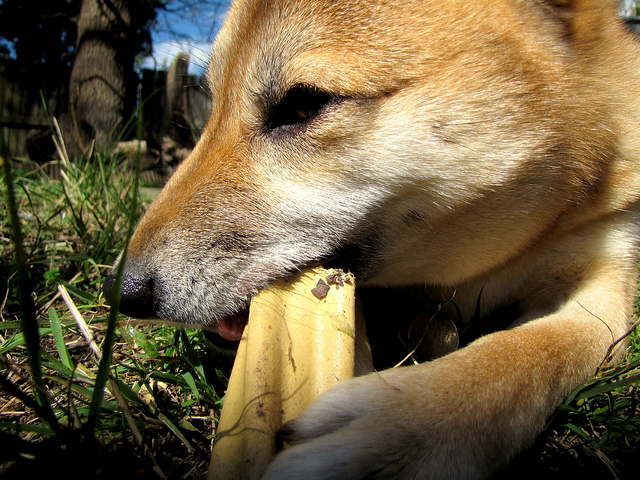
Consider More Natural Ingredients
Natural foods can help support a healthy canine diet, especially ingredients like pumpkin. Adequate hydration is essential for normal digestion, so make sure your dog always has access to water throughout the day.
Seagate offers natural supplement solutions for dogs, such as our Pet Joint Care capsules containing freeze-dried shark cartilage. Some supplements can benefit both people and pets; however, always consult a vet before giving your dog supplements.
When It’s Time to Call Your Vet
Natural approaches can support overall wellness in dogs, but they do not replace routine veterinary care. Persistent vomiting, diarrhea, blood in the stool, weight loss, lethargy, appetite changes, and abdominal pain all warrant a veterinarian’s attention.
But if your dog’s digestion issues are mild or infrequent, you may be able to improve things by adjusting portions, ensuring hydration, watching ingredients, and keeping a consistent diet. These steps can go a long way toward keeping a dog’s stomach comfortable.