

With increasing droughts and extreme storms creating challenges for farmers, researchers have been working to develop strains of resilient crops to support our global food supply.
One of these crops is sorghum, which many people are unfamiliar with but is actually nothing new. Sorghum is an ancient grain that is impressively resilient to heat and drought. Farmers specializing in this grain have also found that growing helps limit soil erosion and boost soil health.
Here is some information about sorghum, including its benefits and how and why you might try incorporating it into your weekly meals.
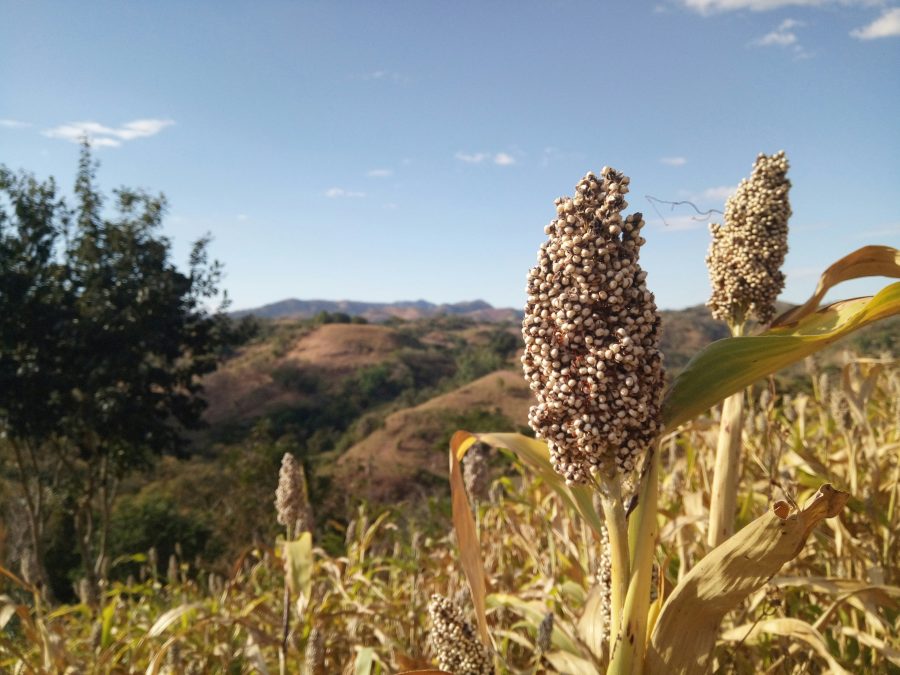
What Is Sorghum?
Sorghum has been a part of people’s diets for over 8,000 years. It’s a typical food staple in some African, Asian, and Native American cuisines. Sorghum is a versatile grain that can be used similarly to rice and quinoa.
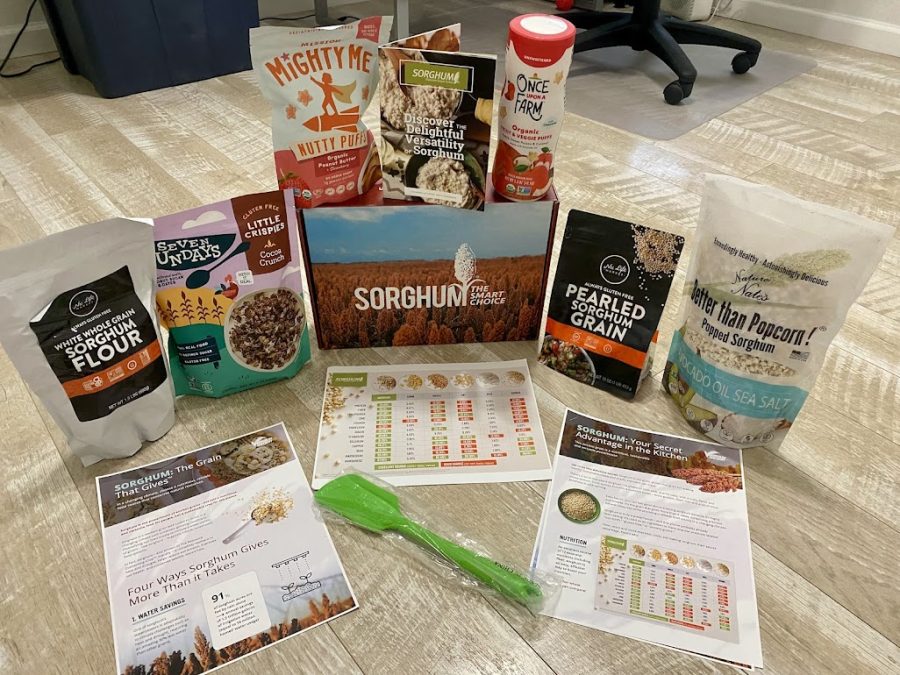
Sorghum comes in several forms, including the grain, which may be red, white, black, or other colors. You can also purchase sorghum made into flour, popped sorghum, a nutritional alternative to traditional popcorn, and syrup made from the boiled and reduced juice of sorghum stalks.
Nutritional Benefits of Sorghum
Sorghum is a nutrient-dense grain that contains protein, fiber, and many essential vitamins and minerals. These nutrients include phosphorus, zinc, thiamin, riboflavin, niacin, vitamin B6, selenium, copper, iron, magnesium, and manganese.
According to the Sorghum Checkoff, an industry organization, a serving of sorghum contains 29.68% of your daily protein value, compared to 15.98% for wheat and 12.32% for quinoa. It is naturally gluten-free, which is good to know if you have celiac disease, a gluten sensitivity, or are just trying to reduce your carb intake.
Additionally, sorghum is a good source of antioxidants, which improve your body’s ability to fight disease.
Sorghum’s Environmental Benefits
Sorghum requires around 36% less water to grow than other comparable grains. Growing sorghum instead of or in addition to other crops could help farmers remain profitable in spite of persistent heat and droughts.
Most farmers in the U.S. grow sorghum under no-till or minimum-till conditions. This translates to less disturbed, healthier soil, where sorghum stalks left standing can reduce wind erosion, capture moisture, and add nutrients back into the soil.
Growing sorghum is ideal in Great Plains ecosystems and can improve biodiversity and wildlife habitat protection. Its sturdy structure provides refuge for native species of animals and insects that don’t harm the crops.
How to Try Sorghum for Yourself
Beyond its health and sustainability benefits, sorghum is easy to prepare and delicious. It’s a safe bet for group dinners and potlucks because it’s gluten-free and won’t cause digestive issues for people who feel sick after eating wheat.
Many use sorghum flour to make pancakes, biscuits, pizza crust, and cookies. You can also make pearled grain sorghum like pasta by adding it to boiling water on the stovetop. Other ideas incorporating sorghum include burrito bowls, grain salads, chili, banana bread, and sorghum-sweetened tea.
Have you cooked with sorghum before? If so, please share your favorite use or recipe with us in the comments below.
Learn more here about other healthy grains to focus on in your diet.